
Treatment
About the treatment
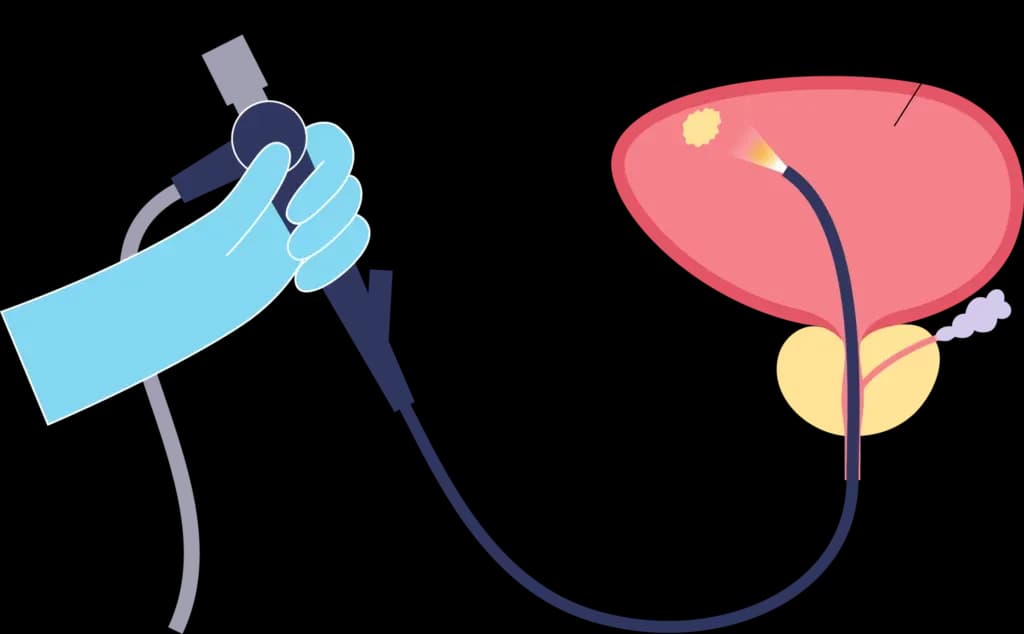
Cystoscopy is a diagnostic procedure that lets the urologist examine the inside of the urethra and bladder using a thin tube with a camera and light, called a cystoscope. It helps investigate concerns such as blood in the urine, frequent urinary tract infections, or persistent urinary symptoms, and when needed, small tissue samples can be taken or minor treatments performed during the same visit. At Healthcare by the Sea, an outpatient medical center in Puerto Vallarta, board-certified specialists guide you closely through every step, and in most cases patients go home the same day. Schedule a personal consultation to find out whether this exam is right for you.
- Area
- Urology
- Body area
- Bladder and urethra
- Setting
- Outpatient
- Type
- Diagnostic
Who is a candidate?
Cystoscopy may be recommended to investigate symptoms such as blood in the urine, frequent urinary tract infections, pain or burning when urinating, incontinence, or an overactive bladder. It also helps diagnose conditions such as urethral stricture, an enlarged prostate, bladder stones, or bladder lesions, and in some cases small lesions can be treated during the same procedure.
During your consultation, Dr. Bricio, urologist (Endolapv), performs a personalized evaluation: he talks with you about your symptoms, reviews your medical history and any previous studies, and determines, based on your case, whether cystoscopy is the right exam for you or whether another diagnostic option makes more sense.
How it is performed
Cystoscopy can be performed with a numbing gel applied to the urethra — the usual approach when the exam is purely diagnostic — or with sedation or general anesthesia if biopsies or a treatment are planned, depending on your case and your urologist's recommendation.
The urologist passes the cystoscope through the urethra into the bladder and fills the bladder with a sterile solution to expand its walls and see them in detail; feeling the urge to urinate during this part of the exam is normal. If an area needs further study, small tissue samples (biopsies) can be taken or small lesions removed during the same visit. In many cases the procedure takes about 15 to 30 minutes, depending on its purpose.
Afterward, you rest briefly under observation by the medical team. As an outpatient procedure, most patients return home the same day, and your doctor discusses the findings with you or schedules a follow-up visit to go over the results.
Preparation
Before the exam, your specialist reviews your medical history and the medications and supplements you take, and may ask for a urine sample to rule out an active infection; in some cases, antibiotics are prescribed before or after the procedure.
If sedation or general anesthesia will be used, you will receive fasting instructions, and your doctor may ask you to stop medications that increase bleeding — such as blood thinners, aspirin, or ibuprofen — ahead of time, but only if your doctor instructs you to. If you smoke, it is best to avoid it in the days around the exam.
If you will receive sedation, arrange for someone to drive you home and stay with you for the rest of the day. Our team in Puerto Vallarta can help you coordinate these details — especially if you are traveling from another city or from the U.S. or Canada.
Recovery
After cystoscopy, it is normal to feel burning when you urinate, notice a small amount of blood in the urine, and need to urinate more often for a day or two. Drinking plenty of water helps ease the irritation, and holding a warm, damp washcloth over the urethral area may relieve discomfort — always following your doctor's instructions.
Most patients return to their usual activities the same day or the next day; if you received sedation or general anesthesia, you will need to rest and avoid driving for the remainder of the day. Your doctor will let you know when results will be ready; if biopsies were taken, the analysis may take a few days, and next steps are reviewed with you at your follow-up visit.
Go to the emergency room right away if you develop a high fever or chills, heavy bleeding in the urine or blood clots, an inability to urinate, or pain that gets worse instead of better, and notify the doctor who performed your procedure as soon as possible.
Medical reference source: Mayo Clinic.
Related procedures
Urology
Kidney stone surgery
Kidney stone surgery covers the procedures used to break up and remove kidney stones that cannot pass on their own, cause severe pain or infections, or block the flow of urine. Today, options such as ureteroscopy with laser lithotripsy make it possible to treat many stones without incisions, working through the body's natural urinary passages. At Healthcare by the Sea, an outpatient medical center in Puerto Vallarta, board-certified specialists guide you closely through every step, and in most cases patients go home the same day. Schedule a personal consultation to learn which option may be right for your case.
View details Most requested
Urology
Rezum therapy
Rezum therapy is a minimally invasive treatment that uses water vapor (steam) to shrink excess prostate tissue and relieve the urinary symptoms of benign prostatic hyperplasia (BPH). It is an outpatient procedure: most patients go home the same day, with no incisions and a lower likelihood of sexual side effects than many other prostate surgeries. At Healthcare by the Sea, an outpatient medical center in Puerto Vallarta, Dr. Bricio, urologist (Endolapv), can evaluate your case and help you decide whether Rezum is right for you. We invite you to schedule a personalized consultation with our team.
View details
Urology
Circumcision
Circumcision is a surgical procedure to remove the foreskin, the skin that covers the tip of the penis. In adults, it is often performed for medical reasons — such as a foreskin that is too tight to pull back (phimosis) or recurring inflammation — as well as for hygiene, cultural, or personal reasons. At Healthcare by the Sea, an outpatient medical center in Puerto Vallarta, the procedure is performed by Dr. Bricio, urologist (Endolapv), and most patients can go home the same day. Schedule a personalized consultation to find out whether it may be right for your case.
View details