
Treatment
About the treatment
Gallbladder surgery, or cholecystectomy, removes the gallbladder — a small organ beneath the liver that stores bile. It is the usual treatment for gallstones that cause symptoms, such as abdominal pain or inflammation. Today it is most often performed laparoscopically, through small incisions, which supports a quicker recovery. At Healthcare by the Sea, an outpatient medical center in Puerto Vallarta, board-certified specialists guide you closely through every step, and most patients go home the same day. Schedule a personal consultation to find out whether this procedure is right for you.
- Area
- General surgery
- Body area
- Abdomen
- Setting
- Outpatient
- Type
- Surgical
Who is a candidate?
You may be a candidate for cholecystectomy if you have gallstones that cause symptoms — such as pain in the upper right abdomen, nausea, or discomfort after fatty meals — gallbladder inflammation (cholecystitis), stones in the bile duct, or pancreatitis related to gallstones. When stones cause repeated episodes, removing the gallbladder is usually the recommended treatment, since gallstones tend to come back.
During your consultation, the specialist reviews your medical history, your symptoms, and imaging studies such as an abdominal ultrasound, along with lab work if needed. With that information, the specialists at Healthcare by the Sea will help you decide, based on your case, whether cholecystectomy is right for you and when it makes sense to have it done.
How it is performed
Cholecystectomy is performed under anesthesia — usually general anesthesia, so you are asleep during the procedure; the anesthesia plan is decided with your care team based on your health.
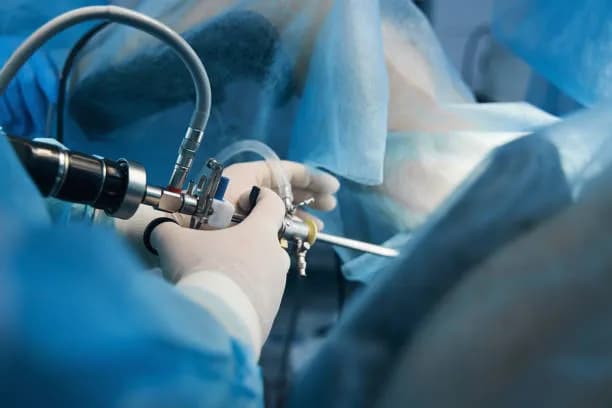
In the laparoscopic technique, the most common approach, the surgeon makes about four small incisions in the abdomen, inserts a tiny camera, and, guided by a monitor, removes the gallbladder with specialized instruments. In some cases — for example, when there is significant inflammation or scar tissue — the surgery may need to be converted to an open technique with a larger incision; your surgeon will discuss this possibility with you beforehand.
Afterward, you rest in a recovery room under close observation by the medical team while the anesthesia wears off. As an outpatient procedure, most patients who have laparoscopic surgery return home later the same day, with clear instructions and the attentive support of our team.
Preparation
Everything starts with a consultation: the specialist reviews your medical history, your symptoms, and your studies — such as a gallbladder ultrasound — and orders the preoperative lab work needed to plan your surgery safely.
Follow the fasting instructions you are given, usually for several hours before the procedure. Stop medications and supplements that increase bleeding only if your doctor tells you to, and with the lead time they indicate, and let the team know about everything you take. If you smoke, it is best to stop before surgery, since smoking slows healing.
Arrange for someone to drive you home after the procedure and, if possible, stay with you the first night. Our team in Puerto Vallarta can help you coordinate these details — especially if you are traveling from another city or from the U.S. or Canada.
Recovery
After laparoscopic surgery, it is normal to feel soreness at the small incisions and, at times, shoulder pain caused by the gas used during the procedure, which usually goes away within a day or two. Your doctor will recommend pain relievers and explain how to care for your incisions, which generally just need to be kept clean and dry.
In many cases you can return to light everyday activities within a few days, and most patients get back to their usual routine within roughly one to two weeks after laparoscopic surgery; avoid heavy lifting for the first few weeks, as directed by your team. Some people have looser or more frequent bowel movements for a while, which usually improves gradually; a light, low-fat diet during the first days can help.
Go to the emergency room right away if you develop a high fever, severe or worsening abdominal pain, yellowing of the skin or eyes, persistent vomiting, or redness, drainage, or bleeding at the incisions, and notify the doctor who performed your procedure as soon as possible.
Medical reference source: Mayo Clinic.
Related procedures
 Most requested
General surgery
Hernia repair
Hernia repair surgery corrects the bulging of tissue — often part of the intestine — through a weak spot in the abdominal wall, most commonly in the groin. Hernias do not go away on their own, and when they become painful or grow larger, surgical repair helps relieve discomfort and prevent complications. At Healthcare by the Sea, an outpatient medical center in Puerto Vallarta, board-certified specialists perform this procedure with modern techniques, and most patients go home the same day. Schedule a personalized consultation to learn which approach may be right for your case.
View details
General surgery
Hemorrhoid surgery
Hemorrhoid surgery covers several procedures to treat hemorrhoids that have not improved with dietary changes, medications, or other conservative measures. Depending on the type and size of the hemorrhoids, the surgeon may remove them (hemorrhoidectomy) or reposition the tissue and reduce its blood supply using techniques such as stapled hemorrhoidopexy. At Healthcare by the Sea, an outpatient medical center in Puerto Vallarta, board-certified specialists guide you closely through every step, and most patients go home the same day. Schedule a personal consultation to learn which option may be right for your case.
View details
Other specialties
Varicose vein surgery
Varicose vein surgery covers a range of procedures to treat varicose veins in the legs — enlarged, twisted veins that can cause aching, heaviness, swelling, or skin changes. Depending on your case, options range from catheter-based ablation — which seals the vein with radiofrequency or laser heat — to ambulatory phlebectomy or ligation and removal of the affected vein. At Healthcare by the Sea, an outpatient medical center in Puerto Vallarta, board-certified specialists guide you closely through every step, and in most cases you go home the same day. Schedule a personal consultation to find out which option is right for your legs.
View details